


Subclass 189 – Skilled Independent visa (Points-tested stream)
Submitted EOIsAt least 1,237
Most common submitted EOI points †75 points
Recent invited-status presence<20*
Visa applications lodged<20*


Skilled occupation profile
Telecommunications Engineer designs and develops telecommunications systems, devices and products.
Recent SkillSelect information
SkillSelect information published for May 2026 provides a historical snapshot of available EOI activity for Telecommunications Engineer, ANZSCO 263311. Selected published indicators relevant to this occupation are shown below.
* <20: the official source published a small-number value below 20. The exact number is not shown by the official source.
† PointsView-calculated indicator: calculated from the published SkillSelect points distribution where sufficient data is available.
This information gives historical SkillSelect EOI information. It does not predict invitation chances, guarantee visa outcomes, or state a minimum invitation score.
Occupation guide
This guide brings together the key occupation tasks, possible visa pathways and skills assessment information for Telecommunications Engineer ANZSCO 263311.
Telecommunications Engineer may perform the following tasks:
This occupation appears on MLTSSL and Skilled Employer Sponsored Regional Occupations. The right visa pathway depends on factors such as your age, English level, qualifications, work experience, skills assessment, points score, nomination options and employer sponsorship.
For skilled migration purposes, Telecommunications Engineer usually requires a suitable skills assessment. Relevant assessing authorities may include:
The assessment authority for this occupation is Engineers Australia and depending on your circumstances, there are five pathways available for migration skills assessment of your engineering degree.
You are required to receive a positive assessment for your qualifications and work experience from Engineers Australia if you are planning to migrate to Australia through skill migration program.
All applicants applying to have their skills assessed by Engineers Australia are required to provide evidence of their English language competency by sitting for an English language test unless exempted.
Click here to read further information regarding the process of assessment by Engineers Australia.
Legacy subclass 187 pathway
If you have worked for a sponsoring employer in regional Australia, please note that Telecommunications Engineer — ANZSCO 263311 was included in the legacy Regional Sponsored Migration Scheme (subclass 187) occupation list. The subclass 187 Direct Entry stream is closed to new applications, but the Temporary Residence Transition stream may remain available to certain transitional subclass 457 and subclass 482 workers. Eligibility is limited and depends on your visa history, relevant dates, sponsored regional employment, employer nomination, age, English and other requirements. Being included on this occupation list does not establish eligibility.
If this may describe your circumstances, we can assess whether the subclass 187 transitional arrangements may still apply to you.
Check your options
If Telecommunications Engineer is your nominated occupation, complete our skilled visa assessment form so we can review your possible migration pathways.
The current PointsView report includes historical SkillSelect data through June 2026 for ANZSCO 263311.
Historical information does not predict invitations, visa outcomes or migration eligibility.
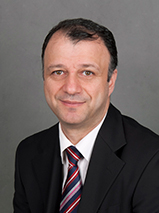
Reviewed by Principal Migration Consultant
This occupation page has been reviewed for migration context by Shada Migration Services. Mohammad has assisted clients with Australian migration matters since 2009 and holds a Graduate Certificate in Migration Law from the Australian National University.
Last reviewed: July 2026
Migration advice in Australia
Book a consultation with Shada Migration Services or call our Parramatta office directly.
Registered migration advice
Registered Migration Agent | MARN 0958292

Registered Migration Agent | MARN 0958292
Suite 70 Civic Arcade
48–50 George Street, Parramatta NSW 2150
Australia
Copyright © 2009–2026 Shada Migration Services. All rights reserved.